Choosing whether to book a guided Arizona bird hunt is more than seeing if a guide is free. The best choice depends on what the trip offers, how clear the expectations. Whether the plan helps you make safe, legal and ethical choices out there. Imagine a situation: you have an empty weekend little knowledge of the area enough gear to start but not enough details to know what you are getting.
Start with the hunt you are really seeking
Before reaching out to a guide decide what experience you want. Are you looking for help locating birds instruction on walking and shooting a relaxed introduction to quail hunting or a tough day in unfamiliar country? These goals can overlap,. They are not the same.
Ask which species and habitats the Arizona bird hunt will focus on how the day will be arranged and what effort you should expect. Steep, rocky ground may not suit you if you have a knee problem, conditioning or if heat will slow you down. You do not need to act like an expert; clear information lets the guide plan responsibly. Stops you from paying for a trip that does not match your needs.
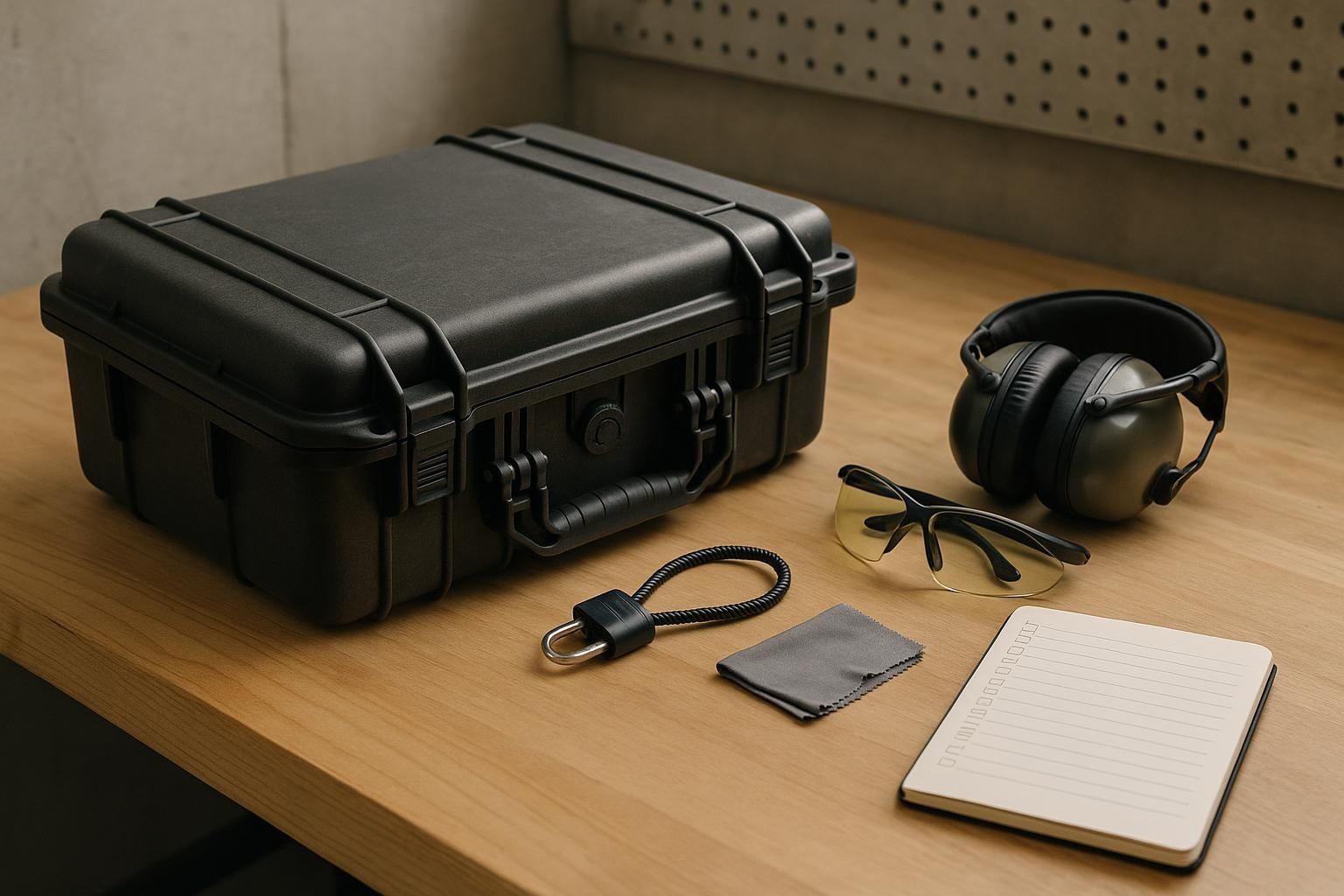
Clarify equipment too. Ask what you must bring what can be. Rented and what condition borrowed gear must be in before you leave. Discuss footwear, eye and ear protection, water, clothing layers, dogs and transportation between meeting points if needed. Specific answers help more than a come prepared" note.
Ask questions that reveal the day-to-day plan
A helpful conversation should explain who makes decisions after the Arizona bird hunt starts. Ask how safety instructions will be shared how stops and breaks will be. What will happen if weather, road conditions, fatigue or bird activity alter the plan. Find out how the guide helps a first‑time participant or a group with experience.
Look at the quality of the answers, not the content. A guide who explains limits, possible changes and your responsibilities gives you the information needed for a decision. Vague replies about access, gear or scheduling may not rule out the trip. They call for more questions.
Write down the meeting arrangement: the meeting area, start time communication method, cancellation or rescheduling rules and what to do if you lose phone coverage. Do not depend on a last‑minute guess that everyone will know the trailhead or access point. In country a small misunderstanding can turn into a safety issue.
Treat regulations as part of the booking
Arizona hunting regulations can change, so a talk months before the Arizona bird hunt is not the legal check. Ask which rules you need to verify such as licensing, season dates, hunt units, legal shooting hours, species identification, bag limits, required stamps or permits and restrictions that affect the location. Verify those details through the official Arizona guidance before you go.
This does not shift all responsibility to the guide. Whoever holds the license and firearm is still responsible for following the law on an organized hunt. A reliable planning process should make those duties clear not suggest that booking covers them.
Ask if access relies on private‑property permission, public‑land rules, temporary closures, fire restrictions or local conditions. These can change after booking. If the answer is "we will sort it out when we get there " ask for a plan to check conditions before leaving.
Use the scenario to test judgment
Suppose the morning is slow the group is tired and a legal opportunity shows up at a difficult angle near other people, livestock, a road or an unclear boundary. The question is not whether a shot could be legal but whether it is safe, identifiable and responsible enough to take.
Ask how the guide deals with shots, wounded or missed birds and birds that cross into places where recovery is uncertain. The answer should allow you to pass. Ethical bird hunting means knowing when not to shoot attempting to recover a downed bird and treating the animal and land with care.
Talk about shooting boundaries before the Arizona bird hunt. Clarify who declares "safe " how participants move around each other and what happens when a bird fluffs unexpectedly. If you are unsure of the species, direction or background do not fire. A guides experience should help you make decisions not push you into risky ones.
Look for conservation in the practical details
Conservation shows up in how a trip treats habitat, access, dogs, spent shells, gates, water sources and the number of people in an area. Ask how the guide reduces disturbance follows landowner requests handles waste and responds to restrictions.
You can ask how bird populations and habitat conditions influence the plan without asking for location details. A responsible answer might change routes limit pressure on an area or decide not to hunt when conditions are bad. Flexibility is a strength, not a sign that the itinerary is not set.
Use this checklist during the call:
– What exactly is included and what must I bring?
– What demands, access limits and weather changes should I expect?
– Which licenses, permits and current rules must I verify?
– What are the safety boundaries and expectations for shots and bird recovery?
– How will conservation, access permissions and changing conditions affect the plan?
– What is the communication and cancellation process if the trip cannot proceed safely?
The best choice may not be the trip with the promise. It is the one whose plan you understand whose legal responsibilitiesre clear and whose field standards match the decisions you are ready to make. Confirm regulations through the official sources keep communication open, as departure approaches and arrive ready to participate responsibly instead of hoping the details will sort themselves out.