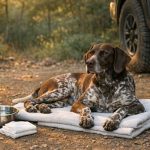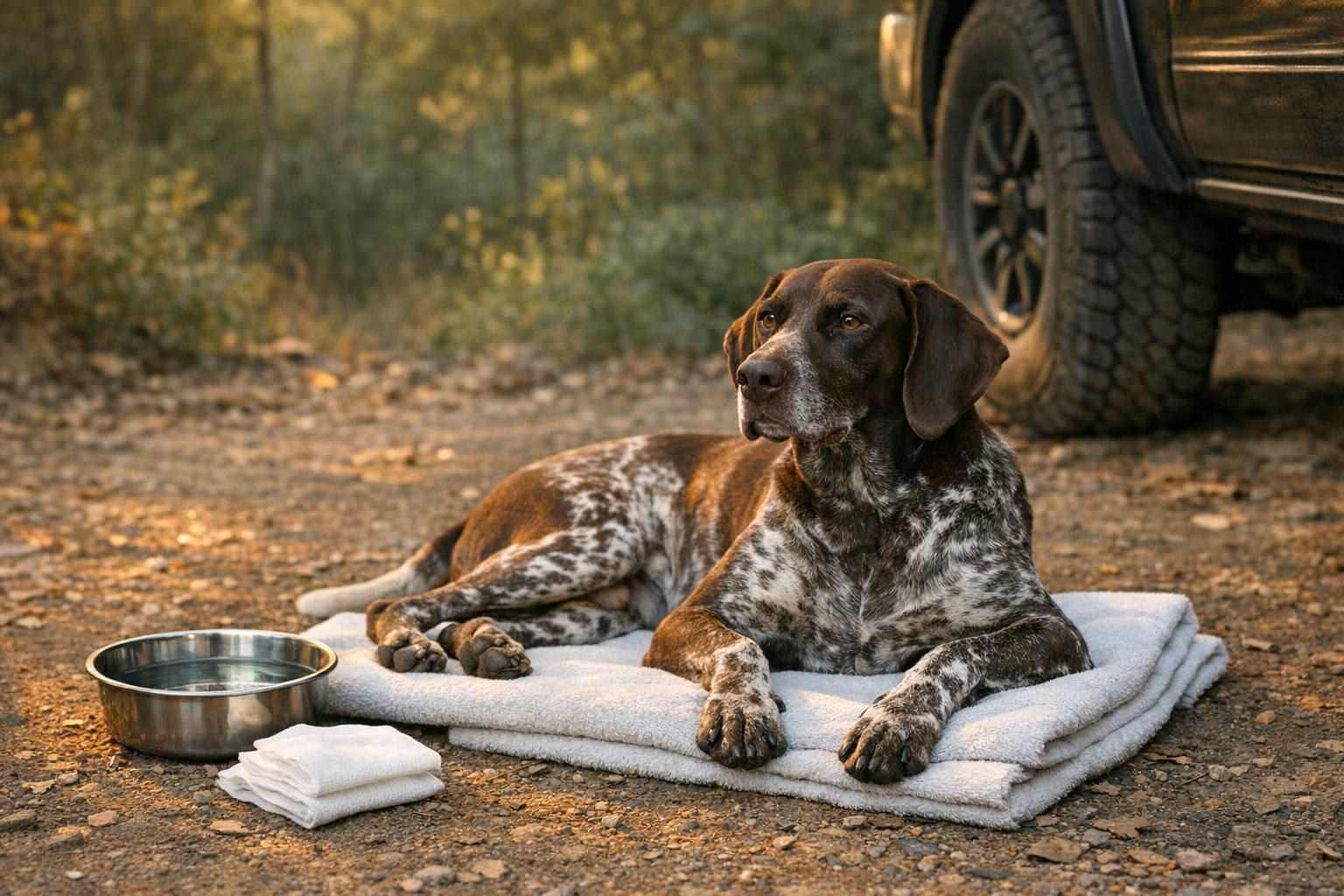
A torn pad or seed between the toes can make a very productive day end in discomfort for your bird dog by nightfall. Inspect for damage, clean what you can see and then make a wise decision as to whether or not your bird dog needs more rest or even medical care. In protecting your bird dog's paws you will also be protecting yourself against making an unethical decision while in the field and that dog is screaming in pain because you were having too good of a hunt and refused to call off to examine his painful foot. A bird dog that is limping, incessantly licking one foot and/or refusing to go in rough country needs to be retired from hunt field work immediately.
Make the first check before loading up
It is best to check your dog's paws before you put them in the truck or in their crate. You would be surprised to see how fast a small cut can become a serious problem. Also, it is best to have a reference point to compare to later on.
Look for fresh blood, a split pad, swelling, heat, a thorn, plant material or a small stone lodged between the toes. Compare the affected foot with the other three. Look for uneven swelling or a change in gait. A tired dog may slow his movement but a wounded dog will favor the affected side. He may also be bothered by licking and holding the foot up. Watch for flinching when you touch his feet.
Tired dogs are common at end of hunting day, and they will naturally alter their gait and be slow. A lingering lame limping dog, or one constantly licking a foot, can indicate serious injury. Pain caused by injury can result in a dog flinching when the area is touched. If a dog can't put weight on a leg, has a deep wound, increased swelling or signs of pain or distress then cease activity immediately.
Clean first, then decide what the injury needs
Cleaning the foot of debris (such as mud, dirt, etc.) before inspecting the injured area for further signs of damage will help you to better determine the extent of the injury. Using clean water to rinse off the debris, and then gently patting the foot dry, including between the toes, will help to remove any remaining debris and prevent further irritation.
For very minor injuries with external foreign objects that are partially exposed to the surface of the skin, such as splinters or small seeds, it is possible to carefully remove them with the tips of clean tweezers. Caution must be used not to push the foreign object further into the pad and cause more harm.
For minor superficial injuries like scrapes, cleanse the area with water and apply a non-stick dressing until you can have the animal examined by a veterinarian. Ensure that the dog does not lick the dressing, and make sure that it is not too tight on the foot. Continue to monitor for signs of swelling, increasing bleeding, the development of discharge, a foul odor, or worsening lameness and seek veterinary attention.
Make the first check before loading up
Paw balm is good for dry skin and is typically applied to clean, intact pads as part of routine care. Apply according to the manufacturer's instructions and test a small area first for any signs of irritation. Avoid applying any sort of balm or salve to a dirty wound, and don't spread balm on split pads. Instead, clean the wound, assess its severity and treat accordingly. If the area is to continue to face rough ground, using protection between outings is sensible.
On the other hand, a thick coating of balm can collect debris in creases of the paw, mask cracks in the pads or in between the toes, and even create a slippery surface which could increase the risk of slipping on rough ground. It is very important that any balm or cream is clean and applied to clean intact pads in accordance with the manufacturers instructions. As with all provisions, introduce any new products to the dog in a non-hunting situation and allow time for them to be licked or to cause irritation.
As your dog becomes a regular hunter of rough country, a good rule of thumb is to attempt to gradually increase the rough nature of your training sessions. This, combined with keeping your dog's nails trimmed to a length that is suitable for his work and keeping an eye on his paw pads between sessions for signs of excessive wear, will help to harden up his feet more effectively than slapping loads of balm on them.
Build a field kit around small decisions
A small first aid kit for your dog can be put together with consideration of small details. It is best to have clean water, gauze pads, non-stick bandages, roll of cohesive bandage, blunt tipped tweezers, small flashlight, pair of disposable gloves and product for minor canine first aid injuries. Use waste bags to store used bandages. Keep all supplies in sealed container to keep clean and dust free.
It's easy to get too attached to bandages left on a dog's feet and to continue using your dog in the same way even after a little injury. But dressings that become wet, soiled or too tight must be removed immediately and the foot checked again for damage.
Your hunting partner or guide can also help you determine if your hunting dog is injured. They may see that your hunting dog is no longer running as well as he or she was before. If your hunting dog is injured in some way, they can tell you which foot it is and if he or she is compensating for the injury.
Let the dog's condition shape the next hunt
The choice of whether to continue the hunt, to shorten the day of the hunting dog, or to quit completely depends on several factors. The dog may return to normal walking after the simple treatment with a cleaned wound and may even need to rest soon. However, if the dog is lame, continues to lick his sore foot, or even reacts with pain when touched, then he must not be put to further stress on rough terrain.
Out on your bird hunting trip for the day, a change in plans may be in order. Arizona bird hunting takes place in rough terrain. Hot days, long trips to retrieve downed birds, and lack of aid to treat injured animals all are factors that influence your decisions. Also be aware of the varying requirements for transporting, treating and caring for animals in different locations. Check with the relevant jurisdictions for current requirements.
After your dog has had time to recover from the activity, look for increased swelling, more limping, increased heat, discharge, or new behavior such as increased appetite. If any of these signs persist, consult with your veterinarian for further care. Inform your veterinarian of the scenario that occurred, what you found upon inspection, and the care that was given to the dog's injured paw.
Keeping the working dog healthy and tracking their changes for the next time they go hunting, over rough terrain, in very hot weather, for long periods of time and far from veterinary care, is more important than anything else you can do for them on the field.